
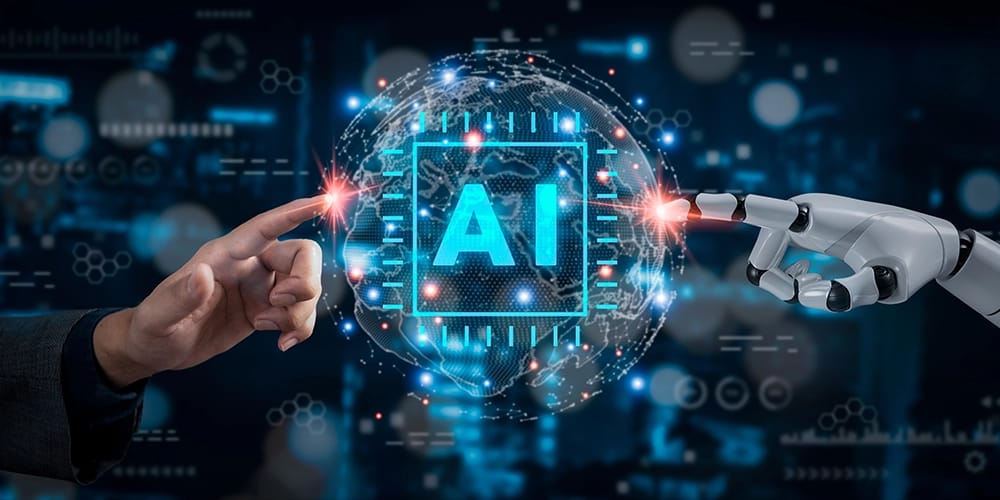
AI Integration in Digital Marketing: Transforming Business Growth in 2026
Artificial Intelligence (AI) integration has become a revolutionary force in digital marketing and business automation. In 2026, companies that leverage AI-driven tools and machine learning technologies are outperforming competitors in efficiency, personalization, and data-driven decision-making. AI integration refers to the process of embedding artificial intelligence technologies into marketing systems, websites, customer service platforms, and analytics tools to automate tasks, enhance user experience, and optimize performance. From predictive analytics to intelligent chatbots, AI is reshaping how brands interact with their audiences.
One of the most impactful applications of AI integration is in search engine optimization and content strategy. Search engines like Google use advanced AI algorithms to understand user intent, search behavior, and content relevance. This means businesses must focus on semantic search optimization, high-quality content, and user-focused experiences rather than keyword stuffing. AI-powered tools help marketers analyze keyword trends, competitor performance, and search intent data to create more targeted and optimized content strategies.
AI integration is also transforming paid advertising and performance marketing. Platforms such as Meta Ads and Google Ads use machine learning algorithms to optimize campaigns automatically, adjust bidding strategies, and identify high-converting audiences. These smart systems analyze real-time data, improving cost-per-click (CPC), cost-per-acquisition (CPA), and overall return on ad spend (ROAS). As a result, businesses achieve better results with reduced manual effort and more precise targeting.
Another major advantage of AI integration is enhanced customer experience. AI-powered chatbots, recommendation engines, and automated email sequences personalize communication based on user behavior and preferences. Tools connected with platforms like Google Analytics can track customer journeys and provide insights into engagement patterns. This enables businesses to deliver customized content, product recommendations, and timely follow-ups, significantly increasing conversion rates and customer satisfaction.
Beyond marketing, AI integration improves operational efficiency by automating repetitive tasks such as data analysis, reporting, and lead scoring. Instead of manually reviewing campaign metrics, marketers can rely on AI-driven dashboards that provide predictive insights and performance forecasts. This allows businesses to make faster, smarter, and more strategic decisions.
In 2026, AI integration is no longer a luxury — it is a competitive necessity. Companies that adopt AI technologies gain deeper insights, improve personalization, reduce costs, and scale faster than traditional marketing models. When combined with strong SEO, content marketing, and performance strategies, AI integration becomes a powerful engine for sustainable digital growth.
The future of digital marketing belongs to brands that embrace artificial intelligence not just as a tool, but as a strategic growth partner.